

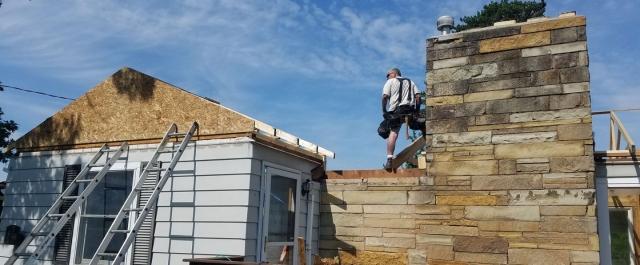
Home additions often begin with excitement. Extra space, better layout, and improved comfort sit at the top of every homeowner's wish list. Yet in Michigan, many additions fail long before the walls go up. The problem usually starts below ground. Without proper foundation planning, even well-designed home additions Michigan homeowners invest in face long-term structural stress, uneven settling, and costly repairs.
Michigan's soil conditions, freeze-thaw cycles, and moisture levels demand a foundation strategy that aligns with the region, not a generic approach. A strong foundation acts as the backbone of home construction & restoration. When that backbone lacks proper planning, cracks, shifting floors, and water intrusion often follow. Understanding why foundation planning matters helps homeowners protect their investment and enjoy lasting results. Keep reading.
Michigan Soil and Climate Demand Smarter Foundations
Michigan's climate places unique pressure on residential foundations. Seasonal temperature swings lead to soil expansion in winter and contraction in warmer months. Clay-heavy soil, common across many Michigan regions, absorbs moisture and expands, then shrinks as it dries. This constant movement challenges any addition that lacks a properly engineered foundation.
During home additions in Michigan projects, foundation planning addresses frost depth requirements, soil load-bearing capacity, and drainage control. Ignoring these factors invites uneven settlement, which pulls framing and roofing out of alignment over time. A foundation designed for Michigan conditions supports structural balance through every season, keeping additions stable year after year.
Foundation Planning Protects Structural Integrity
A home addition connects directly to an existing structure. That connection must remain balanced to avoid stress points. Poor foundation planning often leads to one part of the home settling faster than another. Over time, doors stick, drywall cracks appear, and floors slope slightly, signs that the foundation lacks harmony.
Professional home construction & restoration teams plan foundations to match the original home's load distribution. Footing depth, reinforcement, and soil preparation receive equal attention. This alignment protects both the new space and the original structure, preserving safety and long-term value.
Drainage Strategy Supports Foundation Longevity
Water management plays a major role in foundation performance. Michigan experiences heavy rainfall and snowmelt, both of which increase soil saturation around homes. Without proper drainage planning, water pools near foundation walls and weakens soil stability.
During home additions in Michiga nplanning, foundation design often integrates grading improvements, drainage paths, and moisture barriers. These features guide water away from the structure instead of allowing pressure to build against foundation walls. Proper drainage reduces cracking, prevents basement leaks, and supports a healthier living environment inside the home.
Code Compliance Starts at the Foundation Level
Michigan building codes include strict foundation requirements, especially for additions. Frost line depth, soil testing, and reinforcement standards exist to protect homeowners from long-term damage. Skipping proper planning often leads to inspection delays, failed approvals, or expensive corrections.
Home construction & restoration professionals approach foundation planning with code compliance in mind from day one. Permits, inspections, and structural reviews move forward smoothly when foundation details align with local regulations. Homeowners benefit from peace of mind, knowing their addition meets safety standards and resale expectations.
Foundation Choices Shape Energy Efficiency
Energy efficiency often starts below ground. A poorly planned foundation allows air leaks, moisture intrusion, and thermal loss. Over time, heating and cooling costs rise, and indoor comfort drops.
Modern foundation planning for home additions in Michigan projects focuses on insulation placement, vapor control, and airtight construction. These details improve temperature consistency and reduce energy waste. A well-sealed foundation supports a more comfortable living space while lowering long-term utility expenses.
Foundation Planning Reduces Future Repair Costs
Foundation issues rarely remain isolated. Small cracks grow, moisture damage spreads, and structural stress affects framing and finishes. Repairing these problems costs far more than proper planning during construction.
Thoughtful foundation planning protects homeowners from unexpected expenses. When home construction & restoration teams address soil conditions, load requirements, and moisture control upfront, additions age gracefully. This proactive approach saves time, money, and stress over the life of the home.
Matching Old and New Structures Seamlessly
One of the biggest challenges in home additions involves blending new construction with an existing home. Differences in foundation depth, materials, or reinforcement often create weak transition points.
Experienced professionals design foundations that integrate seamlessly with the original structure. This approach keeps floors level, walls aligned, and roofs properly supported. Homeowners enjoy a finished space that feels original to the home rather than an afterthought.
Long-Term Value Begins Below the Surface
Home additions Michigan homeowners pursue often aim to increase property value. Buyers and appraisers look beyond square footage. Structural soundness plays a major role in resale potential.
A properly planned foundation signals quality workmanship and long-term durability. In home construction & restoration, this attention to detail sets high-performing homes apart. A strong foundation supports higher valuations and faster sales, making it a smart investment from every angle.
Building Confidence Through Smart Foundation Planning
Foundation planning sets the tone for the entire addition process. It reflects thoughtful design, regional expertise, and respect for the home's future. Homeowners who prioritize foundation planning avoid shortcuts and enjoy lasting results. In Michigan, success starts below ground. When foundation planning leads the way, home additions deliver comfort, stability, and value that stand the test of time.